
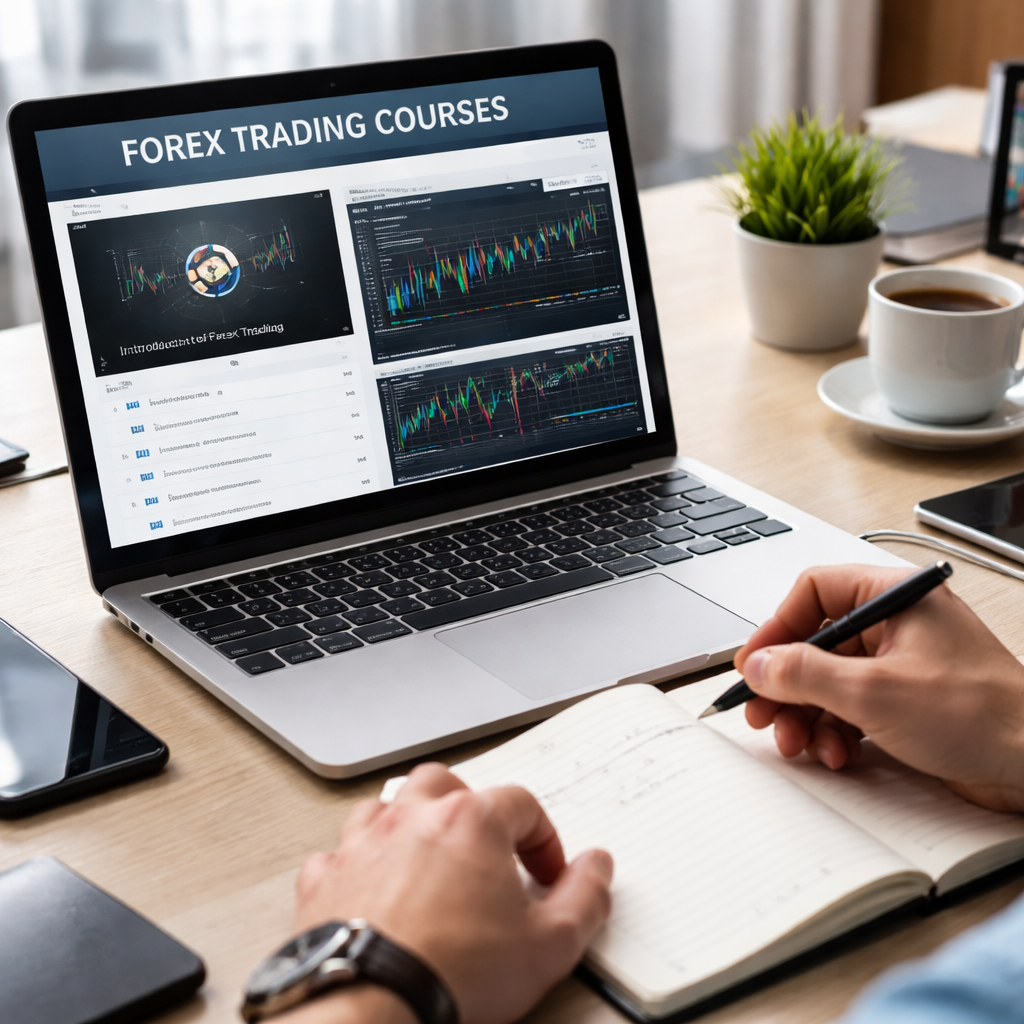
Finding the right forex trading courses online can feel like hunting for a needle in a haystack. Many promises flood the market, but only a few give solid fundamentals.
Most beginners need a clear path: start with basics, then add chart reading, risk rules, and mindset. A step by step roadmap stops you from jumping between random videos.
Our guide walks you through each stage, from setting up a demo platform to testing a simple strategy. You’ll see real world examples, like a student who logged a few trades on EUR/USD and learned to size positions before risking more than 1% of capital.
For a quick checklist, see the Top 10 essential features of a forex trading course. It covers structure, instructor support, and practical exercises.
Don’t forget the tech side. A stable internet link and a reliable computer are vital, and many traders use solid IT support. Pick the right provider with this guide on IT support for small businesses.
By the end of this article you’ll know which online courses actually teach you to read markets, manage risk, and grow confidence without chasing quick wins.
Step 1: Understand What to Look for in Forex Trading Courses
Not every forex trading course online will teach you what really matters. Some promise quick wins, but most leave you guessing.
First, check the curriculum. Does it start with market basics before jumping into fancy indicators? A solid course will lay a clear path: terminology, how currencies move, then chart reading.
Second, look for hands-on practice. Courses that give you demo-account tasks let you apply risk rules in real time. Without that, you’re only watching theory.
Third, assess instructor support. Can you ask questions and get feedback? A community or mentor thread makes the learning curve less steep.
Fourth, verify that the material is up-to-date. Forex markets change, and a good course will note recent regulatory updates and new platform features.
Lastly, consider the learning style that fits you. Some people thrive on video lessons, others on written guides or interactive quizzes.
When you match these checkpoints with your own goals, you’ll spot the courses that actually build skill, not hype.
Also, skim reviews from past students. Look for comments about how the course helped them set a 1% risk rule or read support levels. If most feedback mentions vague content, walk away. Accreditation isn’t mandatory, but a recognized partner or a university tie can add credibility.
Finally, think about cost. Many free courses cover the basics, but a modest fee often unlocks deeper modules and live coaching. Test any paid option with a trial period, if the material feels shallow, you can cancel before spending.
Step 2: Identify Reputable Online Course Providers
Now that you know what to look for, the next move is to find a provider that actually delivers. Not every site that shouts “best forex trading courses online” lives up to the hype.
Start by checking the provider’s history. A solid track record means they’ve helped dozens, maybe hundreds, of traders finish a program and move past the demo stage. Look for reviews that mention real‑world results, like a student who finally stuck to a 1 % risk rule.
Ask yourself: does the course give you access to live support? A good provider offers weekly Q&A, a forum, or a chat where you can ask questions while you test ideas on a demo account. That kind of interaction keeps you from feeling stuck.
Next, scan the curriculum. Each module should end with a clear action step – set up a chart, place a mock trade, write a short journal entry. If the lessons are broken into bite‑size chunks, you’ll finish with a usable trading plan instead of a pile of notes.
Finally, compare what the course promises with what it actually offers. The Top 10 essential features of a forex trading course in 2026 checklist is a handy reference; tick each box before you commit.
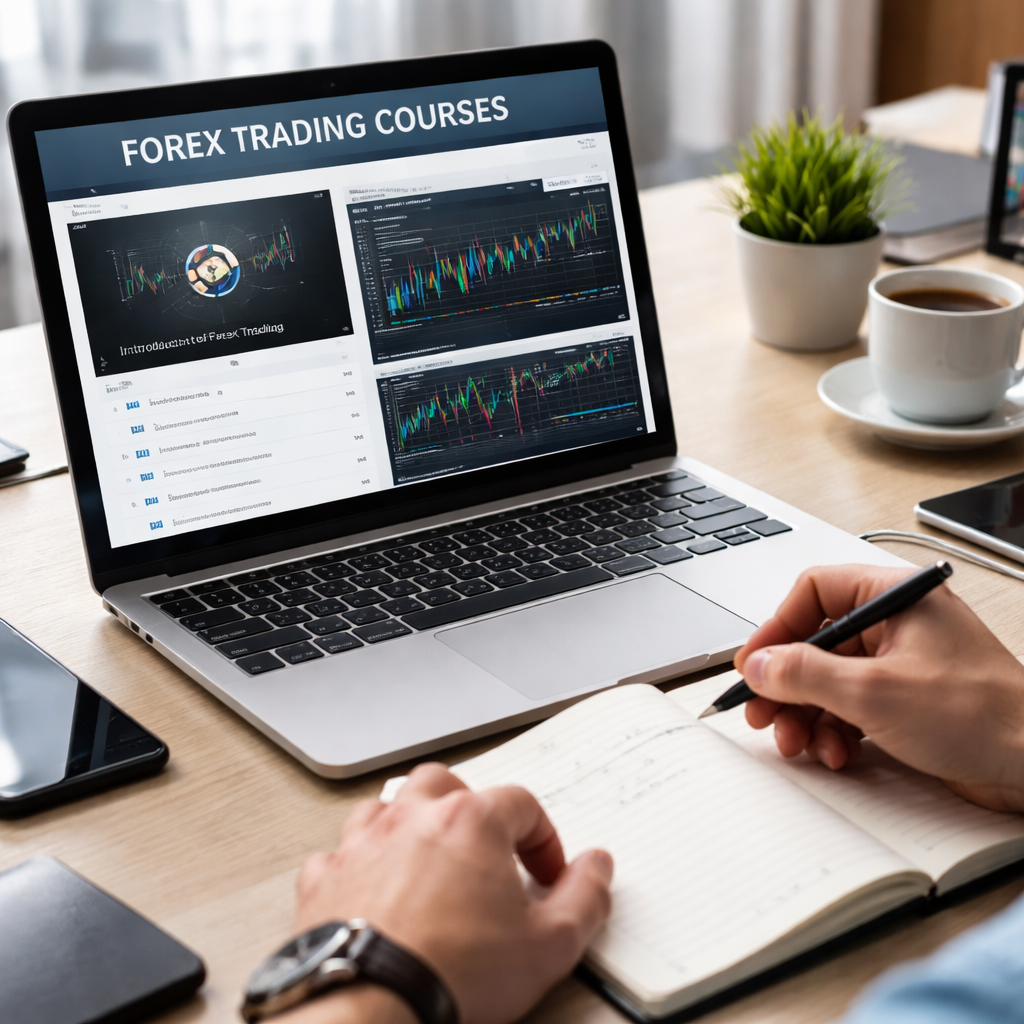
Step 3: Evaluate Course Content and Curriculum
Now you’re looking at the actual lessons. The first thing to check is whether each module ends with a tiny task you can do right away – like drawing a trend line on a demo chart or writing a one‑line journal note.
If a lesson feels like a long essay with no action, it’s a red flag. Good courses break ideas into bite‑size pieces and give you a clear next step. That way you finish with a usable trading plan instead of a stack of PDFs.
Next, scan the syllabus for the core topics you need: market basics, chart patterns, risk rules, and a short psychology bit. Anything missing means you’ll have to hunt for extra material later.
Look for practical tools too. Does the course show how to set a stop loss on a popular platform? Does it include a simple risk calculator you can copy into a spreadsheet? When the content shows real‑world steps, you’ll spend less time guessing.
Finally, compare the promised outcomes with what’s actually delivered. Our full forex trading guide lists the exact skills a solid curriculum should cover – use it as a checklist before you sign up.
If the course checks most of the boxes, you’re likely looking at a program that will move you from theory to practice without a lot of extra work.
Step 4: Assess Learning Formats and Support Features
When you pick a forex trading course, the way it teaches matters as much as what it teaches. A mix of video, short reading bits, and hands‑on drills keeps you from zoning out.
Video lessons are great for seeing the platform in action, but they should be broken into five‑minute clips. If a lesson feels like a half‑hour lecture with no pause, you’ll lose focus. Look for captions or transcripts so you can skim later.
Live Q&A sessions or weekly webinars give you a chance to ask real‑time questions. Even a simple quiz after each module helps lock the idea in your mind. Ask if the course offers a private forum or a chat group where members share trade journals.
Support features aren’t just nice‑to‑have; they’re the safety net that stops you from getting stuck. A responsive instructor, a clear ticket system, or a Discord channel can turn a lonely study night into a quick fix.
Use our Forex Trading Tutorial guide as a checklist. Mark the formats you need, then match them to what the provider promises.
Finally, write down one format you’ll try first – a video demo, a quiz, or a forum post. That tiny step will show you how the course feels before you commit.
Step 5: Plan Your Study Schedule and Practice Routine
Now you have the tools, it’s time to set a rhythm that fits your life.
Start with a tiny block – 20 minutes a day. Pick a slot when you feel alert and write it in your calendar as “Forex study”. Treat it like a meeting you can’t miss.
Break the block into three parts: review, practice, reflect.
Review: watch a short video or read a note. Keep it under five minutes so you stay sharp.
Practice: do a live demo trade on your demo account. Follow the exact steps the lesson showed – set a stop loss, size the position, note the entry.
Reflect: jot down what worked, what confused you, and one thing you will try next time. A one‑sentence journal is enough.
Need a cheat sheet? See the top 10 essential features of a forex trading course list. It reminds you which formats to use each week.
Mix up the format. One day watch a video, the next answer a quiz, then join a forum chat. Changing the mode keeps your brain fresh.
If a week feels heavy, shrink the time. Better to study 10 minutes daily than 2 hours once and then skip a week.
Set a reminder on your phone or use a simple spreadsheet to track minutes. Seeing the numbers grow gives a quiet boost.
Finally, give yourself a tiny reward after each week – a coffee, a short walk, or a favorite snack. The reward ties the habit to a good feeling.

Step 6: Compare Top Forex Trading Courses – Quick Comparison Table
Now that you’ve seen how to pick a course, it’s time to line up the options side by side.
We scored each option on three things that matter to new traders: cost, how the lessons are delivered, and the level of personal help you can get.
The table below breaks the most popular forex trading courses online into three easy columns: price range, format, and a note on support.
| Course | Price | Key Feature |
|---|---|---|
| FXDoctor Basics | $0-$49 | Free videos plus community forum |
| ProTrader Academy | $199-$299 | Live weekly Q&A and mentor feedback |
| EliteFX Mastery | $499+ | In-depth risk-management modules |
Look at the price band that fits your budget, then check if the format matches how you learn best. If you prefer a free start, the FXDoctor Basics course gives you solid fundamentals without a spend. For traders who want live help, ProTrader Academy’s weekly sessions keep questions answered fast. And if you’re ready to dive deep into risk control, EliteFX Mastery packs advanced labs into each module.
Remember, the cheapest option isn’t always the best if it leaves you guessing. A mid-range price with live support often saves hours of trial and error. Check the support column – a quick reply on a forum or a mentor email can keep you from making costly mistakes on a demo.
Use the table as a checklist. Mark the rows that hit your must-haves, then narrow down to the one that feels right for your schedule.
Course prices can change, so revisit the provider’s site before you enroll. Most platforms offer a money-back window, giving you a safety net if the style doesn’t click. For a deeper dive into what makes a good course, see our step-by-step guide on forex trading basics.
Conclusion
Picking the right forex trading courses online is a big step.
First, list what matters most, cost, community, lifetime access, or free demo lessons. Then match each course’s key point to that list. Try a short free demo if you can.
Remember, a course that lets you practice on a demo account and gives you quizzes will help you learn faster.
Start with the option that fits your budget and learning style, and give yourself a few weeks to test the material.
If you keep a simple checklist and stick to a regular practice routine, the right course will move you from watching screens to trading with confidence.
FAQ
What should I look for in a forex trading course online?
Look for a clear syllabus that starts with the basics and builds step by step. Each module should have a short video or reading, then a quiz or assignment so you can check what you learned. Live demo sessions let you see trades in real time, and a forum or chat gives you a place to ask questions. Finally, the teacher should be a full‑time trader who shares real trade logs.
Are free forex trading courses online worth my time?
Free courses can give you a taste of the material, but they often skip the deeper risk‑management lessons and live practice. If the free option includes a demo account and a few quizzes, it’s a good way to test your learning style. Just be sure the instructor’s credentials are clear and that the platform doesn’t push you toward paid upgrades before you’ve tried the basics.
How long does it usually take to finish a beginner forex trading course?
The time needed depends on how much you can study each week. Most beginner courses split the content into 5‑10 short modules, so you can finish in 2‑4 weeks if you spend an hour or two a day. If you prefer a slower pace, stretching the program over a month or more still gives you solid grounding without rushing.
Can I practice on a demo account while taking a forex trading course online?
Yes, most quality courses pair lessons with a free demo account on platforms like MetaTrader or cTrader. After you watch a video on a trade setup, you can open the demo, place the same order, and see how the price moves. This hands‑on step helps you move from theory to practice without risking real money.
Do I need any special software or tools to follow most forex trading courses?
You only need a stable internet connection and a computer that can run a web browser or a trading platform. Most courses work with free tools such as MetaTrader 4, MetaTrader 5, or cTrader, so you don’t have to buy expensive software. A basic spreadsheet can also help you track your practice trades and review results.
How can I tell if the instructor of a forex trading course is trustworthy?
Check the instructor’s background on their personal site or LinkedIn. Look for a track record of full‑time trading, recent trade logs, and clear explanations of their own wins and losses. If they answer questions in a community forum or host live webinars, that shows they’re willing to stay engaged and help students beyond the video lessons.