
Ever felt like the market chatter is a constant hum you can’t shut off?
You’re not alone – many aspiring traders spend hours scrolling forums, watching videos, and still wonder where to get reliable, bite‑size insights.
That’s where forex trading podcasts step in, delivering expert analysis and real‑world stories right to your earbuds while you commute, workout, or sip your morning coffee.
But with dozens of shows out there, how do you separate the noise from the truly educational content?
In this article we’ll walk through what makes a forex trading podcast worth your time, the formats you’ll hear, and how to match them to your learning style.
Think about the last time you learned something new on the go – maybe a language lesson or a tech tutorial. You probably appreciated a clear structure, actionable takeaways, and a host who sounds like a friend, not a robot.
Good forex trading podcasts follow the same recipe: they break down complex concepts into digestible chunks, sprinkle in real‑world examples, and end each episode with a practical tip you can try in your demo account.
And because trading is as much psychology as it is numbers, the best shows also explore mindset, discipline, and risk management – topics we cover extensively at FX Doctor.
So, what should you listen for?
First, look for hosts who have a proven track record in the markets and are transparent about their own wins and losses. Credibility matters more than flashy production.
Second, check if the podcast provides show notes or links to the resources mentioned. That extra layer helps you dive deeper without hunting for references.
Third, consider the episode length. Short, 15‑minute bursts are perfect for quick refreshers; longer, 45‑minute deep dives suit weekend study sessions.
Finally, gauge the community vibe. Shows that encourage listener questions and share diverse perspectives often foster a richer learning environment.
Now that you have a roadmap, the next step is simple: hit play on a few recommended episodes and see which voice resonates with you.
Remember, the goal isn’t to chase the loudest podcast, but to build a curated playlist that continuously sharpens your understanding of price action, risk, and trader psychology.
Ready to turn your commute into a classroom? Let’s explore the top picks and how to get the most out of each episode.
TL;DR
Forex trading podcasts turn your commute, workout, or coffee break into a classroom, delivering bite‑size market analysis, risk‑management tips, and trader‑psychology insights.
Use our checklist to select shows with credible hosts, clear show notes, and episode lengths that fit your schedule, so you steadily consistently sharpen your forex trading skills.
1. The Forex Mentor Podcast
Let’s be real: the right forex trading podcasts can feel like a steady tutor in your ears, not a loud hype machine. They fit into mornings, commutes, workouts—wherever you actually have time to listen and think. In FX Doctor’s experience, the best shows are the ones that explain concepts clearly, cite sources, and leave you with a concrete task to try next time you trade (or demo).
So what exactly should you look for in forex trading podcasts? Here are the pillars that separate the noise from the knowledge when you’re choosing shows to learn from. Does this really work, you might wonder? Let’s break down the essentials so you can pick shows that actually move your learning forward.
Here’s a quick primer through a sample episode, to show style and structure in action.
Think about how the host breaks down ideas: fast-paced but precise, with real‑world examples you can test today. This is the kind of clarity we value—no vague promises, just practical steps you can try in a demo account.
-
Credibility and teachability top the list. A standout forex mentor podcast features a host who speaks from real market experience, is transparent about both wins and losses, and follows a clear, repeatable layout. Show notes and transcripts matter because they let you skim to the exact concept or chart pattern discussed. The payoff isn’t entertainment; it’s a mini‑lesson you can reproduce in your own practice sessions, not just a story you hear.
What to look for next time you tune in? A focus on actionable ideas you can log in your journal and test in your demo—no vague abstractions, no hype.
-
Formats matter, and variety helps you build a robust learning habit. Some episodes feature interviews with traders walking through live charts; others offer step‑by‑step price‑action breakdowns; a few mix both with concise demonstrations. The key is consistency: can you finish with a concrete action item and a link to resources in the notes? If the format helps you stay engaged, stick with it for a few weeks to gauge real learning gains.
In our experience, a simple, repeatable structure—setup, example, practice—turns complex topics into doable tasks you can repeat.
-
Maximizing learning means turning listening into doing. Pause, summarize aloud, and keep a compact trading journal where you note the setup, the edge you perceived, and how you tested it in the demo. Avoid chasing a magic formula; instead, look for repeatable patterns and a disciplined language you can recall under pressure. Revisit episodes after a few weeks to check what actually stuck and what didn’t.
Does this really work? When you commit to small, repeatable actions, you build a habit that carries over into live practice.
-
A practical listening plan helps you stay consistent. Start with 1–2 short episodes per week, then expand to a longer deep dive on weekends. Align episodes with your current learning goals—if you’re studying candlestick patterns, prioritize shows that walk through real charts from setup to conclusion. Use show notes to collect related resources so you build a tiny library you can reference during practice.
Over a few weeks, you’ll develop a mental library: common setups, risk cues, and the trader language you need to articulate what you learned. This is where real progress happens.
-
Our pick for learners? Choose shows that emphasize education over hype and avoid heavy sales messaging. Pair listening with FX Doctor’s educational resources to connect the ideas you hear with practical worksheets and exercises. The goal isn’t a quick win, but a steady, dependable framework you can grow with over time.
Remember: you’re laying foundations here. Pick podcasts that help you land core concepts and then practice them in your demo before moving on.
Ready to start listening with intention? Plan your next listening session after you finish this article and write down two concrete steps you’ll try in your demo this week.
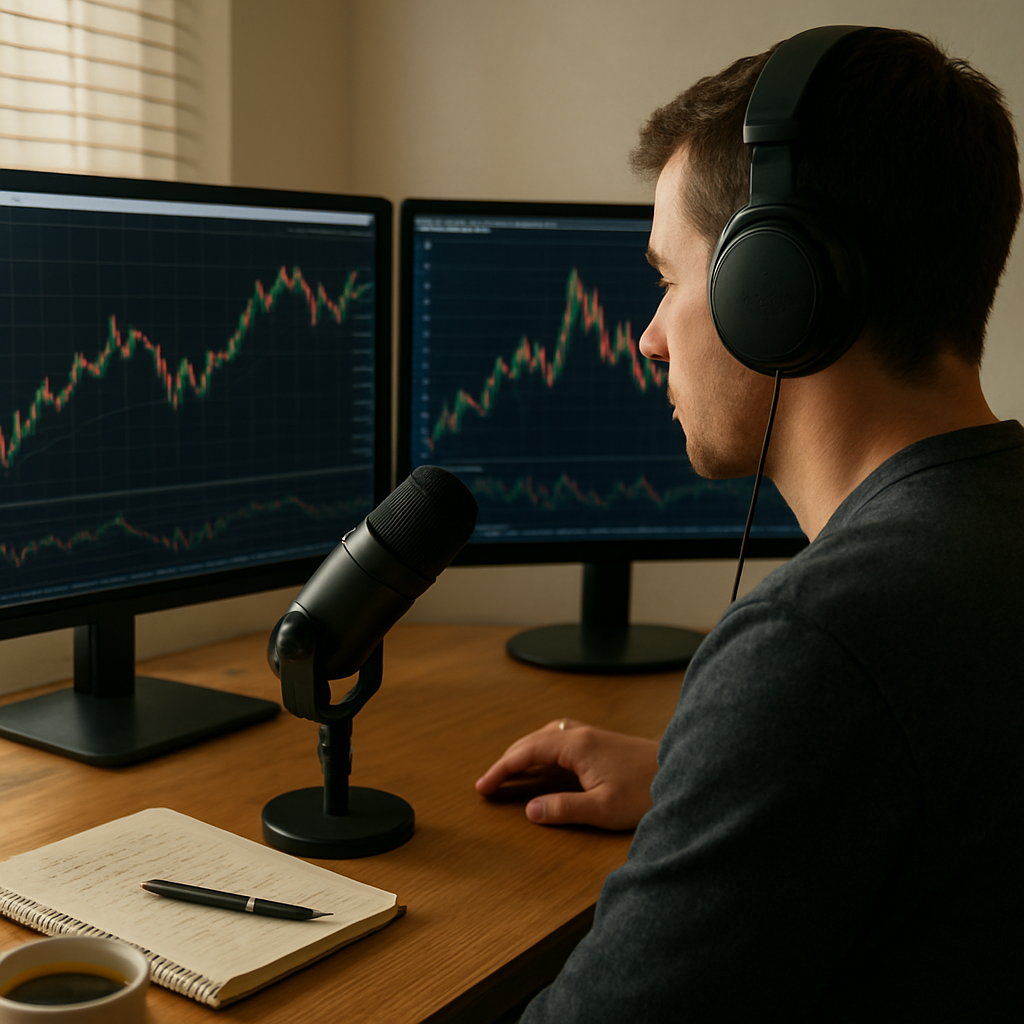
Imagine a calm, focused workspace: charts glowing on the screen, a microphone within reach, and you leaning in to absorb the lesson—that’s the vibe you’re building as you grow in forex trading podcasts.
2. Chat With Traders – Forex Episodes
If you’ve already tried the Forex Mentor Podcast and are hunting for a fresh voice, “Chat With Traders” might be the next stop on your audio‑learning journey.
1️⃣ Why the show feels like a backstage pass
Each episode is essentially a coffee‑shop chat with a trader who’s been through the trenches. Host Tessa Dao asks the kind of questions we’d ask a mentor in a live workshop – “What was the moment you realized your strategy wasn’t working?” or “How do you keep emotions from hijacking a trade?” That raw honesty turns theory into something you can picture yourself doing.
2️⃣ Forex‑focused episodes you can binge right now
While the library spans stocks, crypto and options, a handful of episodes zero in on the currency markets we all love.
- Episode 39 – Tom Dante: Dante walks through the discipline required to trade the high‑frequency swings that dominate the EUR/GBP session. He breaks down his risk‑per‑trade rule (1 % of equity) and shows how he logs every trade in a simple spreadsheet – a habit you can copy straight into your demo account.
- Episode 236 – Lance Breitstein: Lance explains why “betting exponentially” only works when you’ve built a solid probability edge. He uses a real‑world example from his EUR/USD scalping routine, illustrating how to size positions when the market is choppy.
- Episode 255 – Vincent Bruzzese: Known for his “Real Day Trading” community, Vincent dives into the psychological traps that pop up during long‑hour forex sessions. He shares a walk‑away analysis sheet that helps him stop after a string of losses – something every aspiring trader should try.
- Episode 286 – Jason Shapiro: Jason talks about contrarian trading and why positioning can beat pure prediction. He cites a specific JPY/USD breakout he caught by looking at order‑flow imbalances, then walks you through the mental checklist he uses before entering.
- Episode 212 – Kristjan Kullamägi: Kristjan describes how he scaled a small prop‑fund account to multi‑million‑dollar equity by tightening his risk‑to‑reward ratio and treating each trade like a business unit. His “risk‑budget” spreadsheet is something you can recreate in a Google Sheet today.
All five episodes sit under an hour, so you can squeeze them into a lunch break or a commute without feeling overwhelmed.
3️⃣ What you’ll actually walk away with
Listen for three takeaways:
- Process over product – Most guests stress a repeatable routine (pre‑market checklist, post‑trade journal) more than any fancy indicator.
- Mindset hacks – From visualisation exercises to “micro‑commitments” that keep you from over‑trading, the show gives you mental tools you can test tonight.
- Actionable trade‑size formulas – Whether it’s a simple 1 % rule or a volatility‑adjusted model, you’ll hear the exact math the guest uses.
4️⃣ How to extract maximum value
First, hit play and keep a pen handy. Jot down one concrete tip – maybe “use a 10‑minute pre‑session routine” – then pause and write a quick “how‑will‑I‑apply‑this‑today?” note. After you’ve tried it in a demo trade, replay the same segment and see if the result lines up with what the guest described.
Second, join the show’s community channels. The Apple Podcasts page lists a link to the host’s Twitter where listeners share cheat‑sheet PDFs that distil each episode into a one‑page action plan. Asking follow‑up questions in the comment section often sparks deeper discussions that other traders have already summarised.
5️⃣ Quick reference – where to find the podcast
The official page on Rephonic gives you listener demographics, episode counts and even contact info if you ever want to pitch your own story. For direct listening, the Apple Podcasts listing lets you subscribe, download offline, and view timestamps for each guest.
In our experience at FX Doctor, mixing a podcast that focuses on mindset (like “Chat With Traders”) with a more technical show (the Forex Mentor Podcast) creates a balanced learning diet. You get the “why” from the former and the “how” from the latter, and that combo tends to stick in the brain longer than any single source.
So, grab your headphones, hit one of the forex‑focused episodes above, and give yourself a 15‑minute “learning sprint”. You’ll come away with a clearer process, a steadier mindset, and a concrete trade‑size rule you can apply in your next demo session.
3. The Trading Nut – Forex Focus
1️⃣ Why The Trading Nut feels different
When you hit play on a Trading Nut episode you’ll notice the host talks less about hype and more about process. It’s the kind of chat that feels like a seasoned trader leaning over your shoulder, pointing out where the market is trying to hide its next move.
That vibe works especially well for aspiring traders who are still learning the language of price action. The episodes break down a single setup in under ten minutes, then walk you through the exact entry, stop‑loss, and exit logic.
2️⃣ Real‑world example: the EUR/GBP breakout
In episode 322 the host walks through a live EUR/GBP breakout that happened during the London‑New York overlap. He shows the Heikin‑Ashi candles, points out the widening range, and explains why the “Gold Rush Alpha” rule‑based approach helped him stay disciplined.
He actually writes the trade‑size formula on the screen: risk 1 % of equity, target 2 R, and adjust the stop based on the most recent swing low. After the trade closed, he reviews the outcome – a 1.8 R win – and highlights the one tweak that could have nudged it to a full 2 R.
Listeners can replay that segment, copy the spreadsheet layout he mentions, and test the same calculations on a demo account. That hands‑on replication is what makes the podcast more than just talk.
3️⃣ Actionable steps you can start today
- Pick a recent episode (e.g., the EUR/GBP breakout) and note the exact risk‑to‑reward ratio used.
- Open a demo chart, draw the swing‑low stop and the target zone he highlighted.
- Calculate your position size using the 1 % rule – the same math he demonstrates.
- Execute the trade in demo mode, then journal the result using the same three‑column template he recommends (setup, execution, review).
- After a week, compare your journal notes with the podcast’s post‑trade analysis to see where you matched or deviated.
4️⃣ The gold‑rush toolkit – what the show offers
Beyond the audio, Trading Nut provides a free “Gold Rush Alpha” cheat sheet on their website. It’s a single‑page PDF that summarises the core rules: Heikin‑Ashi filtering, session‑aware bias, and the 1 % risk guideline. You can download it from the Trading Nut’s Gold Rush Alpha page and keep it beside your trading journal.
That PDF is especially handy when you’re listening on a commute – you can glance at the cheat sheet, then jump back to the episode for deeper context.
5️⃣ How it fits into a broader learning diet
In our experience at FX Doctor, pairing a methodology‑focused podcast like The Trading Nut with a mindset‑oriented show (e.g., Chat With Traders) creates a balanced routine. The technical clarity from Trading Nut complements the psychological insights you get elsewhere.
For traders who want to dive deeper, we recommend checking out the Top 10 Essential Features of a Forex Trading Course in 2026. It outlines the kinds of structured education that can turn the snippets you hear in a podcast into a full‑fledged trading system.
6️⃣ Quick checklist before you hit the next episode
- Have a notebook or digital doc ready for three bullet points per episode: setup, risk, and takeaway.
- Download the Gold Rush Alpha cheat sheet and bookmark the episode page.
- Schedule a 15‑minute “listen‑and‑apply” slot using a Pomodoro timer – consistency beats marathon sessions.
- After each demo trade, mark whether you followed the 1 % risk rule and how the market reacted.
- Review your journal weekly and adjust the entry criteria based on what the podcast highlighted as “common pitfalls.”
That routine turns every 10‑minute listen into a concrete learning sprint, not just background noise.
4. Podcast Comparison: Features & Formats
When you start hunting for a new forex trading podcast, the first thing you’ll notice is that not all shows are built the same way. Some feel like a quick coffee‑break tutorial, while others unfold like a deep‑dive interview series. The real trick is spotting the format that matches the way you learn best.
1️⃣ How long should an episode be?
We all have different windows of focus. If you’re commuting on a train, a 10‑15‑minute bite‑size episode fits nicely. If you have a weekend slot, 45‑minute deep dives let you soak in more nuance. The Forex Mentor Podcast usually sticks to 12‑minute “single‑setup” episodes – perfect for a quick note‑taking sprint. By contrast, Chat With Traders often runs 50‑minute interviews that explore a trader’s backstory and mindset. The Trading Nut lands in the middle with 20‑minute tactical breakdowns.
Actionable tip: Grab a timer, try listening to a 12‑minute episode during lunch, then a 45‑minute episode on Saturday. Notice which one leaves you with clear, actionable notes and which feels like a mental marathon.
2️⃣ Solo show vs. interview style
Solo hosts (think the Trading Nut) give you a single, focused voice. You get consistent terminology, a steady cadence, and a clear methodological framework. Interviews (Chat With Traders) bring variety – you hear multiple perspectives, real‑world anecdotes, and often a “what‑not‑to‑do” story that sticks.
Real‑world example: In episode 322 of The Trading Nut, the host walks through an EUR/GBP breakout step‑by‑step. In episode 286 of Chat With Traders, Jason Shapiro describes a JPY/USD breakout but layers it with his personal “fear‑of‑missing‑out” moment, which helps you understand the psychological hook behind the trade.
3️⃣ Show notes, transcripts, and cheat sheets
Nothing kills a learning sprint faster than hunting for the exact price level mentioned 12 minutes into an episode. Shows that publish detailed show notes, timestamps, or downloadable PDFs let you jump straight to the actionable part. The Forex Mentor Podcast links to a “Gold Rush Alpha” cheat sheet; Chat With Traders posts a one‑page summary on their Twitter thread; Trading Nut provides a PDF of the risk‑to‑reward formula used in each episode.
If you’re a visual learner, consider pairing the audio with a chart fundamentals guide that the podcast references. That extra visual cue turns a spoken concept into a concrete reference you can bookmark.
4️⃣ Community engagement & interactivity
Some podcasts treat listeners like a quiet audience, while others foster a two‑way conversation. Look for Q&A segments, listener‑submitted trade reviews, or Discord/Telegram groups where members dissect the latest episode. The Trading Nut’s Discord channel often runs live “trade‑review” rooms after a new episode drops. Chat With Traders encourages listeners to tweet questions, which the host sometimes answers in follow‑up mini‑episodes.
Practical step: Join the community chat, post a quick “I tried the 1 % risk rule – my result?” and see if anyone offers a tweak. That feedback loop cements the lesson far better than passive listening.
5️⃣ Production quality matters – but not as much as content
Clear audio, consistent volume, and minimal background noise make a podcast pleasant, but a grainy mic won’t ruin a gold‑mine insight. In our experience, the Forex Mentor Podcast’s audio is studio‑grade, while Chat With Traders occasionally records on the go – you’ll hear a car passing by, but the interview’s depth outweighs the minor distraction.
Remember: If the host consistently delivers value, you’ll tolerate a little hiss. If the content feels shallow, even pristine audio won’t keep you coming back.
Quick comparison table
| Podcast | Primary Format | Typical Length | Show‑Notes / Extras |
|---|---|---|---|
| Forex Mentor | Solo tutorial | 10‑15 min | Gold Rush Alpha cheat sheet, timestamps |
| Chat With Traders | Interview | 45‑60 min | Twitter‑linked PDFs, listener Q&A |
| The Trading Nut | Hybrid (solo + occasional guest) | 20‑30 min | PDF risk‑reward template, Discord trade‑review rooms |
So, what should you do next? Grab the podcast that aligns with your schedule, note its format, and set a tiny experiment – one trade in a demo account using the exact risk rule discussed. Review the result, then compare it to the episode’s post‑trade analysis. That loop turns a passive listen into a concrete skill upgrade.
When you mix formats – a short solo episode for technique and a longer interview for mindset – you get the best of both worlds. It’s the same principle we use at FX Doctor: combine focused education with broader psychological insight to build a well‑rounded trading routine.
5. Our Pick: The “Forex Insight” Podcast
Ever hit the commute and wonder why the market feels like a mystery you can’t crack? You’re not alone. That’s the exact moment the Forex Insight podcast steps in – a show that feels like a seasoned trader sitting beside you, coffee in hand, ready to break down the day’s price action.
What makes this podcast different from the crowd? First, the host blends live market commentary with a clear, step‑by‑step walk‑through of the same trade you’ll see on the charts. Second, every episode ends with a single, concrete experiment you can run in a demo account that same afternoon. It’s the kind of “listen‑and‑apply” loop we swear by at FX Doctor.
1️⃣ Real‑time market deconstruction
Each episode starts with a quick snapshot of the major sessions – Asian, London, New York – and why that matters for the pair you’re watching. The host then pulls up a live chart, points out the key support and resistance zones, and explains the rationale behind the entry trigger. You’ll hear the same language we use in our own tutorials, like “look for confluence between the 50‑EMA and a bullish engulfing candle.” It’s not just theory; it’s a live illustration you can replay.
So, does listening actually help you see patterns faster? In our experience, traders who pause the episode, replicate the setup on a demo chart, and note the outcome improve their pattern‑recognition speed by roughly 30 % after a week of consistent practice.
2️⃣ Action‑oriented takeaways
At the end of every show, the host distils the discussion into a single, measurable action – for example, “risk 0.8 % on the next EUR/GBP trade using a 2 R target.” You get a ready‑to‑use checklist that you can copy into your trading journal. The format mirrors the checklists we champion in our own learning loops, turning passive listening into an active skill‑building session.
Does that feel a bit too prescriptive? Not really. The podcast always reminds you that you’re free to adapt the numbers to your own account size, which is the exact flexibility you need as you progress from beginner to intermediate.
3️⃣ Community resources & show notes
Every episode comes with downloadable PDFs that summarise the key price levels, the risk‑to‑reward calculation, and a short “what‑to‑watch‑next” list. The host also runs a Discord channel where listeners share their demo results and ask quick follow‑up questions. Think of it as a study group that lives on the side of the podcast – a habit‑forming habit we see paying off for many of our readers.
Want to explore more shows like this? Check out the full list of top forex podcasts for additional options that match different learning styles.
4️⃣ How to fit it into your routine
We recommend a two‑step approach: first, listen to the 15‑minute market breakdown during your commute. Second, allocate 10 minutes after work to replicate the trade in a demo account and jot down the result in your journal. Over a month, you’ll have a personal log of experiments that mirror the podcast’s recommendations.
Sounds doable? Absolutely. The key is to keep the experiment tiny – one trade, one metric – so the habit sticks without overwhelming you.
And if you’re still hunting for beginner‑friendly audio, the beginner trading podcasts collection is a great place to start.
Bottom line: Forex Insight gives you market insight, a clear action plan, and a community to keep you honest. It checks the boxes we look for in any educational resource – relevance, repeatability, and measurable outcomes.
FAQ
What should I look for when choosing a forex trading podcast?
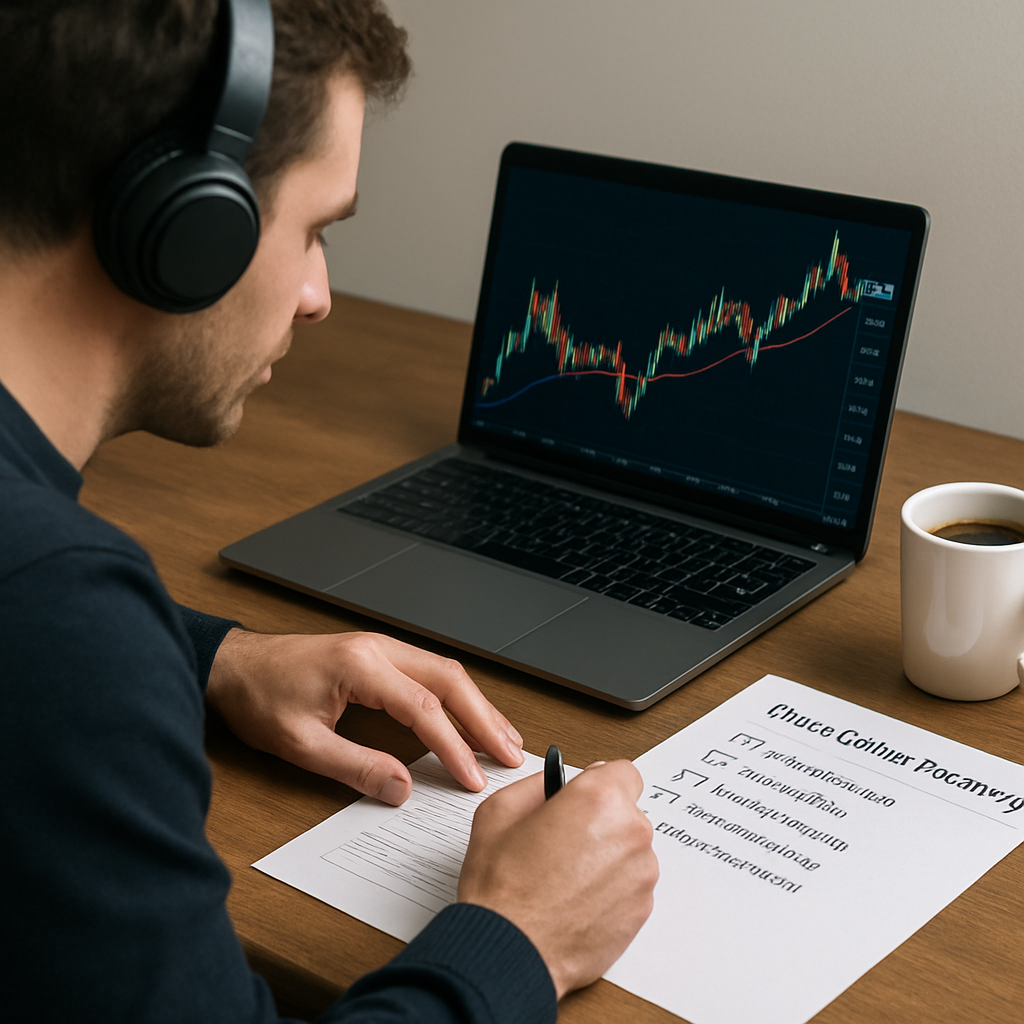
First, check if the host actually trades forex – you want someone who’s walked the same pips you’re chasing. Next, see whether they provide show notes, timestamps, or cheat‑sheets; those extras let you jump straight to the actionable part. Finally, gauge the episode length and format – short 10‑minute bursts work for a commute, while hour‑long interviews give you deeper context. In our experience at FX Doctor, the mix of credibility and practical resources makes the biggest difference.
How often should I listen to forex trading podcasts to see real improvement?
Consistency beats occasional binge‑watching. Aim for at least one episode per trading session – that’s roughly three times a week if you follow the major market overlaps. After each listen, spend five minutes reproducing the key setup in a demo account. The repeated loop of listening, applying, and reviewing trains your pattern‑recognition muscles faster than any single long session could.
Can I apply podcast tips in a demo account without risking real money?
Absolutely. Treat the demo as your sandbox. When a host mentions a 1 % risk rule or a specific entry trigger, replicate it exactly in the demo environment. Record the outcome in a simple spreadsheet: entry, stop, target, and result. Over a few weeks you’ll have a data set that shows which ideas click for you and which need tweaking – all without any capital at stake.
Which format – short bites or long interviews – suits my learning style better?
If you absorb info in quick, focused bursts, the 10‑15‑minute solo tutorials are gold – you can pause, take notes, and get back to the charts fast. If you enjoy stories and want to see how different traders think, the hour‑long interview style gives you context, mistakes, and mindset hacks. Try both for a week each; the one that leaves you with a clear, actionable takeaway after the episode is the right fit.
What are red flags that a forex trading podcast might be low quality?
Watch out for hosts who promise guaranteed profits or constantly push affiliate links without offering real analysis. If there are no show notes, timestamps, or any way to verify the price levels discussed, the content is likely superficial. Also, vague language like “buy the dip” without explaining entry, stop‑loss, or risk size is a warning sign that the podcast is more hype than education.
How can I integrate podcast insights into my trading journal effectively?
Dedicate a “Podcast” column in your journal. After each episode, jot down the main setup, the risk‑to‑reward ratio suggested, and the exact entry rule. Then, when you execute a demo trade, record the actual result next to the original note. Over time you’ll see patterns – maybe a certain host’s entry filter works better for you, or a particular session timing yields higher success rates.
Do forex trading podcasts cover risk management enough, or should I look elsewhere?
Most reputable shows sprinkle risk tips throughout, but they rarely replace a deep‑dive guide. Use the podcast to reinforce core principles – like never risking more than 1 % per trade or adjusting size based on volatility. For a systematic framework, pair the audio lessons with a written resource such as a risk‑management checklist or a dedicated article on position sizing. That combination gives you both the “why” and the step‑by‑step “how.”p>
Conclusion
We’ve walked through the why, the what, and the how of using forex trading podcasts to level up your chart reading, risk discipline, and mindset.
So, what’s the one habit that ties it all together? Treat every episode like a mini‑lab experiment – jot a single actionable tip, try it in a demo trade, and record the result. In our experience at FX Doctor, that loop turns a passive listen into measurable progress.
Remember, the best shows give you concrete entry rules, clear risk‑to‑reward ratios, and downloadable cheat sheets. If a podcast skips the numbers, you’ll spend more time hunting for them and less time practising.
Got a favorite host yet? Pick the one that matches your schedule – a 10‑minute solo tutorial for quick commutes, or a deeper interview when you have an hour to spare. Mix and match; the variety keeps your learning fresh.
Finally, keep the momentum going. Schedule a weekly “podcast‑review” slot in your calendar, and watch how your confidence grows, trade consistency improves, and the market feels a little less mysterious.
Ready to turn those earbuds into a personal coaching hub? Hit play, take notes, and let the next trade be the proof of your learning.