
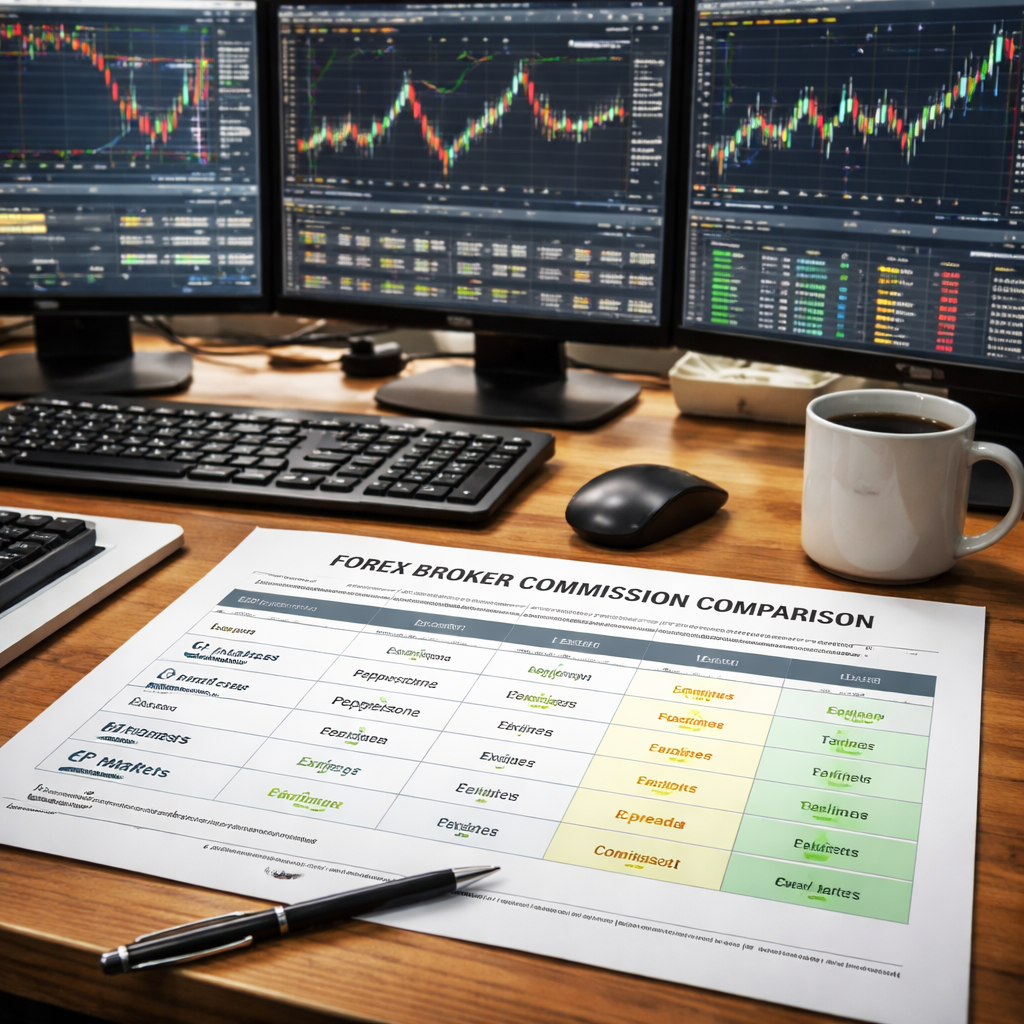
Finding a forex broker that keeps commission low can feel like hunting for a needle in a haystack.
Many traders jump at the first platform that promises cheap spreads, only to discover hidden fees that eat into every win. That frustration is real, especially when you’re just starting and every pip counts.
Here’s a quick way to cut through the noise: list the costs you’ll actually pay – the spread, the per‑trade commission, and any overnight or inactivity fees. Write them down in a simple table and rank the brokers from cheapest to most expensive.
Next, test the broker’s demo account. A low‑cost broker might have a clunky platform that slows you down, which can cost more than the commission itself. Spend at least one hour trading a few pips in a demo to see if the experience feels smooth.
Real‑world example: a beginner in Belgrade tried three brokers. One offered a 0.0 pips spread but charged $7 per lot commission. Another had a 0.2 pip spread with no commission. After a week of demo trading, the second broker saved the trader about $30 on a 10‑lot position— a clear win for low‑commission trading.
For a deeper dive into picking the right first broker, check out our guide Best forex brokers for beginners: A 2026 guide …. It breaks down fees, regulation, and tools in plain language.
Finally, give yourself focused time to compare brokers. The Pomodoro Technique can help you slice the research into 25‑minute bursts, keeping fatigue at bay and your decisions sharp. Learn more about it here: Pomodoro Technique for Homeschool Parents.
Step 1: Identify Your Trading Style and Commission Sensitivity
First, think about how you like to trade. Do you swing a few hours, or do you sit for minutes? Your style tells you how much each trade will cost you in the long run.
If you scalp, a tiny commission eats a big chunk of each pip. If you hold positions for days, the spread matters more than a per‑trade fee. Write down your preferred time frame, then match it to a broker’s fee structure.
Next, ask yourself how much commission you can stomach. Some brokers charge $5 per lot, others $0 but widen the spread. Plot both on a simple chart: one axis for spread, the other for commission. Spot the sweet spot where total cost stays low for your style.
Here’s a quick trick: take a past trade you made, apply the broker’s commission, and see how it changes your profit. If the profit shrinks a lot, you’re too commission‑sensitive for that broker.
Don’t forget hidden fees. Overnight swaps can turn a low‑commission broker into an expensive one if you hold trades long. Look at the swap table before you lock in.
Imagine you’re a beginner in Belgrade who likes day‑trading. A broker with a 0.1 pip spread and $3 commission might feel cheap, but the swap cost could add up fast. That’s why you need a full picture.
Use a checklist to keep track. Tick off: trading style, max commission per trade, acceptable spread, swap cost, and any inactivity fees.
Once you’ve filled the grid, you’ll see which brokers fit your style without draining your account.
Watch the short video below for a visual walk‑through of the worksheet.
Now that you know what to look for, you can move on to testing the platforms in demo mode.
Step 2: Compare Commission Structures Across Popular Forex Brokers
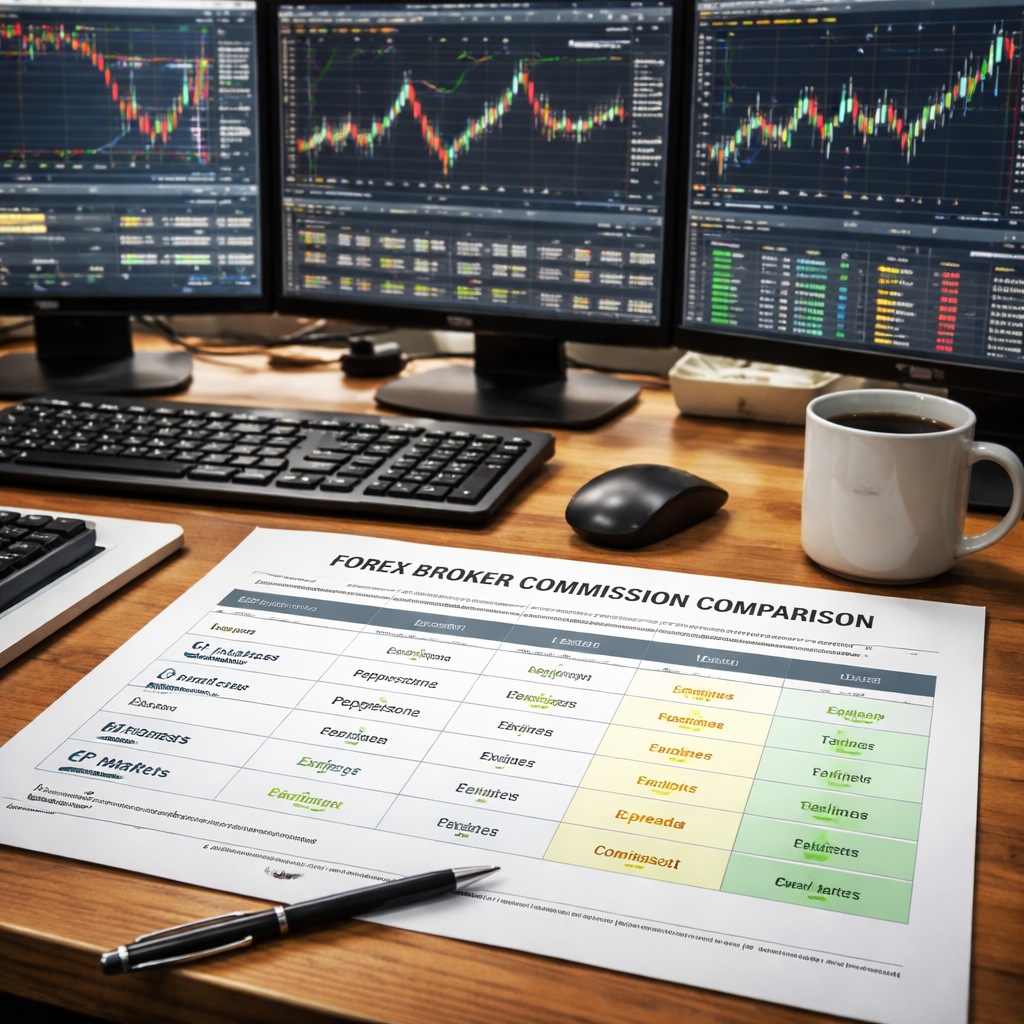
First, list the commission model each broker uses. Some add a small fee per side, others bundle the cost into the spread. Knowing the exact per‑side charge lets you see the real cost of each trade.
Take Fusion Markets as an example. Its Zero Account charges $2.25 per side and offers raw spreads that start at 0.0 pips on EUR/USD. That combo gives a round‑turn cost of about $4.50 plus a tiny spread bite.Details on Fusion Markets
FP Markets follows a similar idea. The Raw account adds a $3 per side commission while keeping spreads at 0.0 pips. The Standard account has no commission but the spread widens to around 1 pip. For a scalper who trades many lots, the Raw account usually ends up cheaper.FP Markets commission review
IC Markets gives traders a choice. On cTrader the commission is $3 per side with spreads that can sit at 0.0 pips. On MetaTrader the commission is similar but the spread may sit a touch higher. If you run algorithms that need fast fills, the cTrader pricing often wins.
So, what should you compare?
Quick comparison table
| Broker | Commission (per side) | Typical spread on EUR/USD |
|---|---|---|
| Fusion Markets (Zero) | $2.25 | 0.0 pips |
| FP Markets (Raw) | $3.00 | 0.0 pips |
| IC Markets (cTrader) | $3.00 | 0.0 pips |
Take this table, add your weekly trade count, and you’ll see which broker gives the lowest total cost. Remember, the cheapest commission only matters if the spread stays tight and execution stays fast. That’s the real secret behind a forex broker low commission that actually helps your bottom line.
Step 3: Evaluate Additional Costs Beyond Commission
Even if the commission looks cheap, hidden fees can eat your profit.
First, check the swap or rollover charge. That’s the fee for keeping a position overnight. Some brokers add a few cents per lot, others charge a full pip. If you trade swing or position style, this cost adds up fast.
Next, watch for inactivity or minimum‑trade fees. A broker may waive them if you trade a set number of lots each month, but if you’re a part‑time trader the fee can be a flat $10 to $20 each month.
Also, look at funding and withdrawal costs. Some brokers charge a percent of the amount, others a flat $5 to $10. The method you use – bank transfer, credit card, or e‑wallet – can change the price too.
Put all these numbers into a simple table. Add commission, spread cost, swap, inactivity and funding fees. The row with the lowest total tells you which broker really offers a forex broker low commission overall.
For a quick reference on typical swap rates and other hidden fees, see the zero‑spread guide on ForexBrokers.com.Zero‑spread guide
Finally, ask if the broker charges for extra tools like guaranteed stop‑loss orders or premium chart packages. Those fees may be small per trade, but they add up if you use them often.
Use a simple calculator or spreadsheet to run the numbers each month, it only takes a few minutes and saves you from surprise costs.
In the end, the broker with the smallest all‑in cost will help you keep more of each win.
Step 4: Test the Broker’s Platform with a Demo Account
Now that you’ve listed the fees, it’s time to see how the platform feels in real time. A demo account lets you trade fake money but with the same interface, spreads and commission you’ll get when you go live.
Open the demo and fund it
Sign up for the broker’s free demo. Most brokers give you a preset balance – $10,000 or €10,000 works fine. Don’t worry about funding fees; the demo is just virtual cash.
Run a few trades
Pick a currency pair you know, like EUR/USD. Place a market order, then a limit order, then a stop‑loss. Watch how fast the price fills and whether the order window shows the commission you noted earlier. If the trade slippage feels big, the low‑commission claim may not matter much.
Check execution speed
Time a simple 0.1‑lot trade from click to fill. Do it a few times and note the seconds. A broker that promises a forex broker low commission but lags on execution can cost you more than a few cents per trade.
Test the extra tools
Try the chart package, the news feed, and any risk‑management widgets like guaranteed stop‑loss. See if they load quickly and if the UI feels clean. If the tools are hidden behind extra fees, factor that into your total cost.
Take notes and compare
Write down what you liked and what felt clunky. A short checklist works well: speed, ease of order entry, tool access, and any surprise fees. Use this list alongside your fee table to pick the broker that truly gives you a low‑commission edge.
Step 5: Make an Informed Decision and Set Up Your Account
First, pull together the notes you made during the demo. Look at speed, fees, tool access and any surprise costs. Put the numbers side by side in a simple table – total cost per trade, swap fee, withdrawal fee.
Next, ask yourself: does the broker meet the three must‑haves for a forex broker low commission?
- Raw or tight spreads that stay near the interbank rate.
- Clear per‑lot commission that matches the fee table you wrote.
- Transparent pricing – no hidden fees hidden in the fine print.
If a broker checks those boxes, move on to the regulation check. Verify the licence number on the broker’s website and make sure a respected authority (FCA, ASIC, etc.) backs it. A regulated broker gives you a safety net if anything goes wrong.
Step‑by‑step checklist
1. Open a real demo account with the broker you liked most.
2. Run the same three trades you did before – market, limit, stop‑loss – and note any change in fill speed or commission display.
3. Compare the live fee schedule with the demo numbers you recorded. Small differences are normal; big gaps mean the broker may not be truly low‑commission.
4. If the numbers line up, fund a small real account (many brokers let you start with €100 or $100). Use the same trade size you tested.
5. Watch the first live trade. If execution feels fast and the commission matches what you expected, you’re set.
Real‑world tip: a trader in Belgrade tried three brokers and chose the one whose total cost per 0.1‑lot trade was €0.12 lower after fees. That saved about €15 over a month of scalping.
For a deeper dive on what truly counts as a low‑commission broker, see the low commission broker guide from EBC.
Finally, write down your decision and lock in the account details. A clear plan keeps you focused and stops you from drifting back to a higher‑cost platform.
Conclusion
You’ve walked through the whole process of finding a forex broker low commission. That effort pays off when each pip stays yours.
Remember the three things that mattered most: list the true fees, test the platform on a demo, and compare the real‑trade cost with your spreadsheet. If a broker slips on any of those, it will eat your profit.
Now take the notes you made, pick the broker that gave you the cleanest fee table and the fastest fills, and open a small live account. Trade a few micro‑lots first so you can see the commission in action without risking too much.
Keep that checklist handy for any future broker switch. A clear plan stops you from drifting back to a higher cost platform.
Ready to lock in your decision? Your next trade could be the proof that a low commission broker really makes a difference.
FAQ
What is a forex broker low commission and why does it matter?
A forex broker low commission is a broker that charges a small per‑lot fee on each trade, often just a few dollars. The lower the commission, the less of your profit gets eaten away, especially if you trade many lots or trade frequently. It matters because commissions add up fast; a broker that seems cheap on spreads can still cost you more overall if its commission is high.
How can I compare commission rates across brokers?
Start by pulling the commission schedule from each broker’s website and note the per‑side charge. Then calculate the round‑turn cost for the lot size you plan to trade. Add any spread cost you expect, and compare the total cost per trade. A simple spreadsheet lets you see at a glance which broker offers the lowest all‑in cost for your typical trade size.
Are low‑commission brokers always the best choice for scalpers?
Low‑commission brokers are a natural fit for scalpers because they make dozens of tiny trades each day. The tiny fee per lot means less drag on each profit slice. However, scalpers also need ultra‑fast execution and tight spreads; a broker with a low fee but slower fills can erode gains. Test both cost and speed before deciding that a low commission alone makes a broker the best pick.
What hidden fees should I watch out for besides commission?
Besides the obvious per‑trade commission, brokers may charge swap fees for positions held overnight, inactivity fees if you trade rarely, and funding or withdrawal fees that vary by payment method. Some also sell premium chart packages or guaranteed stop‑loss tools as add‑ons. Add every line‑item to your cost table; the broker with the lowest commission can still end up the most expensive once all extras are counted.
How does demo testing help verify a broker’s low‑commission claim?
A demo account mimics the live environment but with virtual money, so you can see the exact commission that shows up on each trade. Run a few round‑turn trades of the lot size you plan to use and note the fee displayed. Compare that number to the broker’s published schedule; any mismatch signals hidden costs. Demo testing also reveals execution speed, which matters just as much as a low commission.
What steps should I take before opening a live account with a low‑commission broker?
Before you go live, double‑check the fee table, run a final demo test, and verify the broker’s regulation status. Open a small real‑money account, many brokers let you start with €100, then trade the same size you used in the demo. Track the actual commission and fill time for a few trades; if they line up with what you saw in testing, you’ve got a true low‑commission broker.